华尔街商人政变(白宫政变)始末-Blues的文章 The Business Plot (White House Putsch): A Complete Account
The 1933 Business Plot - a political conspiracy to overthrow President Roosevelt
tags: zhihu-article zhihu-link: https://zhuanlan.zhihu.com/p/21283918631
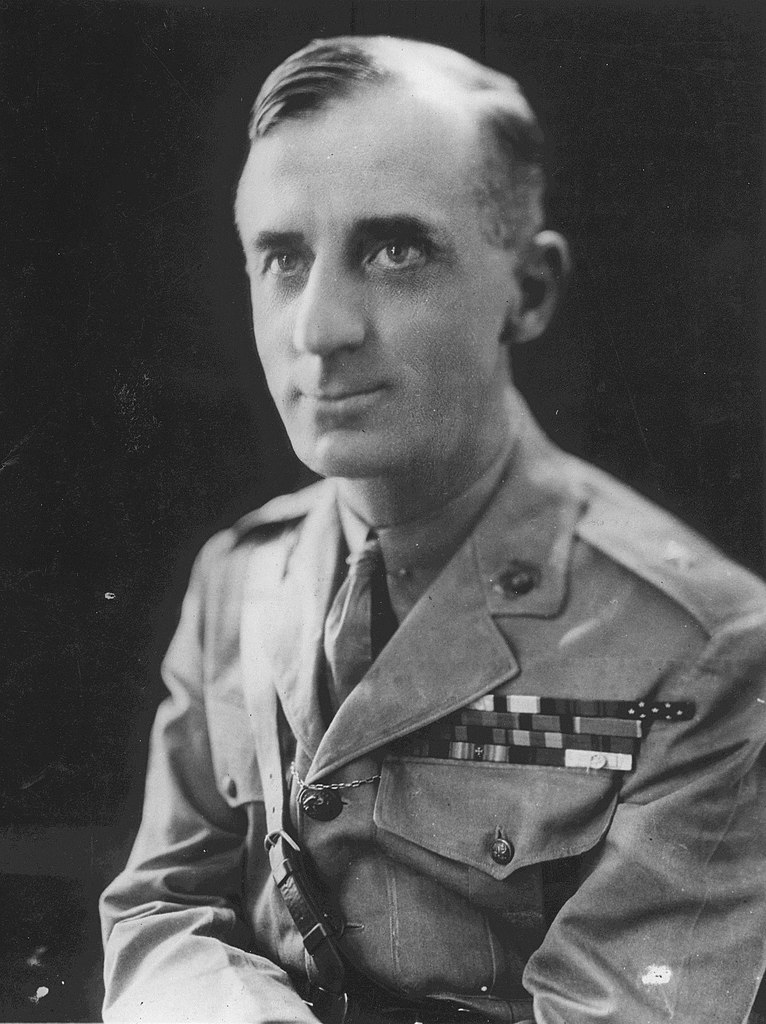
商业阴谋(英语:Business Plot),又称华尔街商人政变(Wall Street Putsch)[1]和白宫政变(White House Putsch),是1933年发生在美国的一场政治阴谋,旨在推翻富兰克林·D·罗斯福总统政府,并拥立斯梅德利·巴特勒为独裁者[2][3]。退役美国海军陆战队少将巴特勒在宣誓作证时指出,富商们密谋建立一个以他为首领的法西斯退伍军人组织,并计划通过政变推翻罗斯福。1934年,巴特勒在美国众议院非美活动调查特别委员会(即”麦科马克-迪克斯坦委员会”)的听证会上就此提供了宣誓证词[4]。尽管无人被起诉,但国会委员会最终报告称:“毫无疑问,这些企图确实被讨论过、计划过,一旦资助者认为时机成熟就可能付诸实施。”
在委员会取证初期,大多数主流媒体对此事持否定态度,《纽约时报》社论更将其称为”巨大的恶作剧”。[5]但当委员会最终报告公布时,《纽约时报》报道称委员会”声称经过两个月的调查,确信巴特勒将军关于法西斯势力将进军华盛顿的陈述令人震惊地属实”,并指出”委员会还声称发现了确凿证据,证实了此前听证会上披露的、由退役少将斯梅德利·D·巴特勒领导的法西斯进军华盛顿计划确实曾被考虑过”。[6]所有涉案人员均否认存在相关阴谋。
尽管历史学家对政变是否真正接近实施阶段存在疑问,但多数研究者认同某种”疯狂计划”确实曾被酝酿和讨论过。[7][8][9][10]
背景
巴特勒与退伍军人
Main article: Bonus Army 酬恤金进军事件
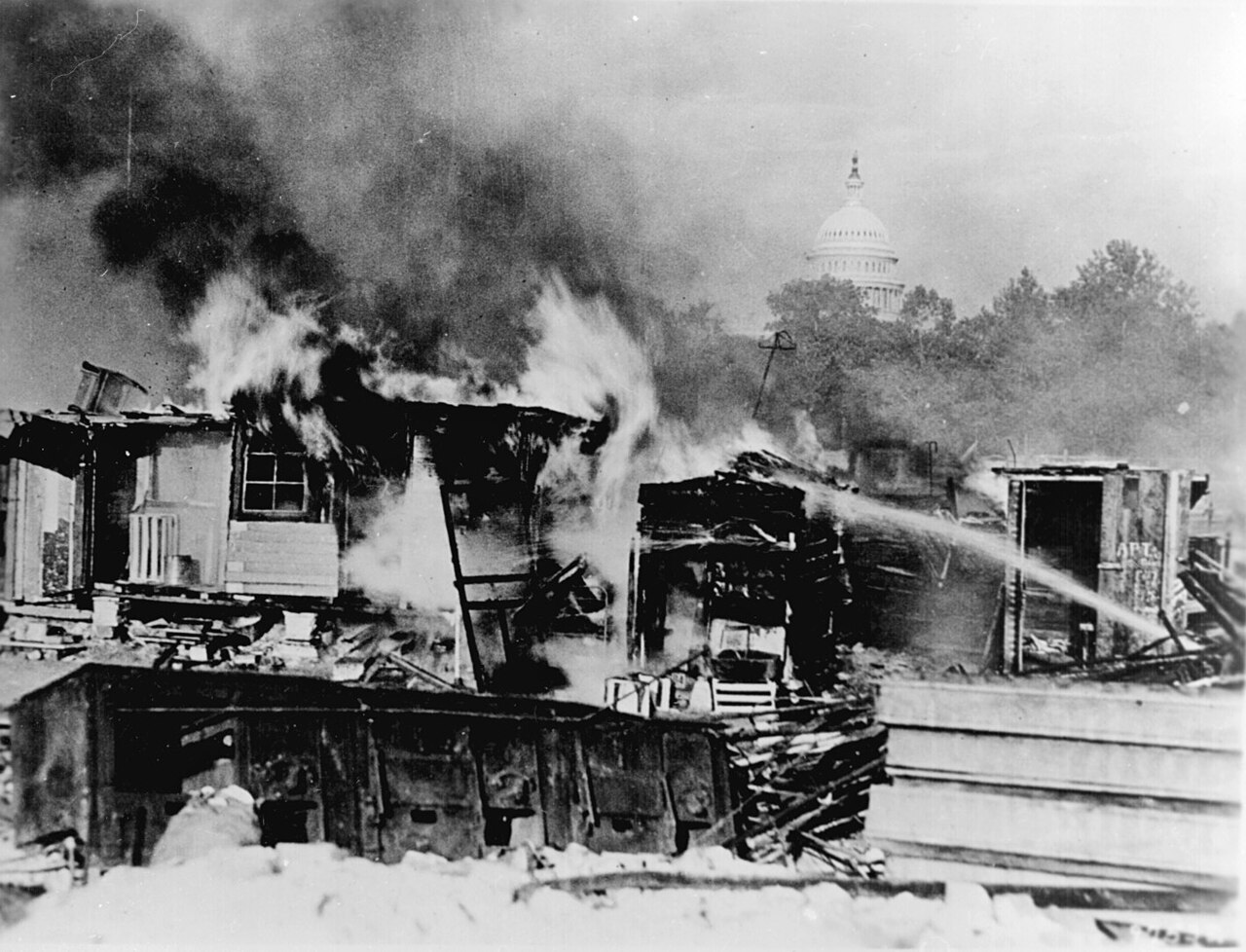
1932年7月17日,数千名第一次世界大战退伍军人聚集华盛顿特区,搭建帐篷营地,要求根据《1924年世界大战调整补偿法案》立即支付拖欠他们的补偿金(该法案规定部分补偿金最早于1925年发放,最迟不超过1945年)。前陆军中士沃尔特·W·沃特斯领导了这支“补偿金大军”。[citation needed]退役海军陆战队少将斯梅德利·巴特勒——当时备受尊敬的军事人物——的公开支持进一步鼓舞了抗议者。[11]巴特勒抵达数日后,赫伯特·胡佛总统下令清场,由道格拉斯·麦克阿瑟将军指挥的美国陆军骑兵部队摧毁了抗议者营地[citation needed]。
自称共和党人的巴特勒对此作出回应,转而支持富兰克林·D·罗斯福参加1932年美国总统选举。[12]至1933年,巴特勒开始公开谴责资本主义和银行家,他解释道:过去33年间自己一直是华尔街、银行家和大企业的“高级打手”,并自称为“资本主义的匪徒”。[13]
对罗斯福的反弹
罗斯福当选令当时许多保守派商人感到不安,因其“承诺政府将为所有失业者提供工作岗位的竞选宣言产生了反效果——担心社会主义和政府肆意挥霍的企业家们引发了新一轮失业潮”。[14]部分作家指出对金本位的担忧也是原因之一。朱尔斯·阿彻在《夺取白宫的阴谋》中写道:“保守派金融家对金本位制度的终结惊恐万分。他们认为缺乏黄金支撑的货币将引发通胀,侵蚀个人和企业财富,最终导致国家破产。罗斯福被斥为社会主义者或共产主义者,意图通过削弱财富的黄金基础来补贴穷人,从而摧毁私营企业。”[15]
麦考马克-迪克斯坦委员会
麦考马克-迪克斯坦委员会于1934年11月20日开始审查一项所谓政变阴谋的证据。11月24日,委员会发布声明,详述其听取的证词及初步调查结果。1935年2月15日,委员会向众议院提交最终报告[16]。
在听证会期间,巴特勒作证称杰拉尔德·C·麦圭尔曾试图招募他领导政变,承诺为其提供50万人的军队进军华盛顿特区,并给予资金支持。巴特勒表示,政变借口将是总统健康状况恶化[17]。尽管巴特勒在选举中支持罗斯福[12]并以强烈批判资本主义闻名[18],但他称阴谋者认为其良好声誉和民众号召力对争取公众支持至关重要,且认为他比其他人更易操控。巴特勒透露,若政变成功,计划将让他在新设立的“总务部长”职位上掌握近乎绝对的权力,而罗斯福则成为傀儡领袖[19]。
被巴特勒指控牵涉阴谋者均否认参与。麦圭尔是巴特勒指认的唯一出庭作证者。委员会表示:“对于巴特勒指控的其他人,因‘委员会未掌握任何需要传唤其作证的证据……本委员会不会采信证词中仅基于传闻的指控’”[20],故未传唤其他被指涉者。
1935年1月29日委员会闭幕当天[21],约翰·L·斯皮瓦克在共产主义杂志《新群众》发表系列文章首篇,披露了委员会听证中被以“传闻”为由删除的部分证词。斯皮瓦克称该阴谋是J.P.摩根等金融家与法西斯团体合谋推翻罗斯福计划的一环[22]。
历史学家汉斯·施密特指出,尽管斯皮瓦克对严肃对待被压制证词提出了有力论证,但其关于犹太金融家的“夸大”指控实属牵强——施密特认为这些说法属于缺乏巴特勒-麦圭尔对话证据支持的“牵连定罪”[23]。
1935年3月25日,36岁的麦圭尔在康涅狄格州纽黑文医院去世。主治医生将死因归为肺炎及其并发症,但同时指出针对麦圭尔的指控导致其身体虚弱和崩溃,继而引发肺炎[24]。
巴特勒证词详情
巴特勒描述其对政变的看法https://www.zhihu.com/video/1870207071607197696
1935年新闻短片片段:斯梅德利·巴特勒描述其1934年国会委员会证词及对所谓1933年政变阴谋的看法
时长:1分26秒。提供字幕
https://en.wikipedia.org/wiki/File:Universal_Newsreel_-_Gen.Butler_bares%22plot%22_by_fascists.ogv
1933年
1933年7月1日,巴特勒首次与杰拉尔德·麦圭尔和比尔·多伊尔会面。麦圭尔是华尔街银行公司格雷森-墨菲公司(Grayson Murphy & Company)的债券销售员,周薪100美元[25][26],同时担任康涅狄格州美国退伍军人协会成员[27][28];多伊尔则是马萨诸塞州美国退伍军人协会指挥官[27]。巴特勒称对方邀请他竞选美国退伍军人协会全国指挥官[29]。
7月3日或4日,巴特勒与麦圭尔、多伊尔举行第二次会面。他称对方承诺将在美国退伍军人协会大会上安排数百名支持者要求其发言[30]。麦圭尔留下一份打字演讲稿,提议巴特勒在大会上宣读。“该演讲敦促大会通过决议,要求美国回归金本位制度,以确保退伍军人获得的补偿金不会沦为废纸”[15]。这一要求进一步加深了巴特勒的怀疑。[citation needed]
约8月1日,麦圭尔单独拜访巴特勒。巴特勒称麦圭尔透露格雷森-墨菲公司曾资助纽约美国退伍军人协会的成立,巴特勒则回应该协会“不过是个破坏罢工的组织”[31]。此后巴特勒再未见过多伊尔。[citation needed]
9月24日[32][33],麦圭尔前往巴特勒位于纽瓦克的酒店房间[34]。同月下旬,巴特勒会见了罗伯特·斯特林·克拉克[35]。克拉克是艺术收藏家,亦是胜家缝纫机公司财富继承人[36][37]。麦圭尔与克拉克相识于义和团运动期间,当时克拉克在中国担任少尉,绰号“百万富翁中尉”[37]。
1934年
1934年上半年,麦圭尔游历欧洲并向巴特勒寄送明信片[38]。3月6日,麦圭尔致信克拉克及其律师,描述法国战间期民族主义团体[citation needed]“火十字团”(Croix-de-Feu)[39]。
8月22日,巴特勒与麦圭尔在酒店会面,此为两人最后一次见面[40][41]。据巴特勒所述,麦圭尔在此次会面中要求其领导新退伍军人组织并策划针对总统的政变[citation needed]。
9月13日,曾担任巴特勒私人秘书的记者保罗·科姆利·弗伦奇[42]在办公室会见麦圭尔[43]。9月下旬,巴特勒告知海外战争退伍军人协会(VFW)指挥官詹姆斯·E·范赞特,称阴谋者将在即将召开的协会大会上与其接触[citation needed]。
11月20日委员会启动证据审查。弗伦奇于11月21日在《费城纪事报》和《纽约邮报》率先报道此事[44]。11月22日,《纽约时报》首度刊文,称此事件为“巨大骗局”[5][45]。
委员会报告
国会委员会1934年11月24日初步报告称:
本委员会目前未掌握任何需要传唤约翰·W·戴维斯、休·约翰逊将军、哈伯德将军、托马斯·W·拉蒙特、西姆斯上将或汉福德·麦克奈德等人作证的证据。
对于证词中仅基于传闻的指控,本委员会不予采信。
本委员会不关注过早的新闻报道,尤其是那些在取证前发布的内容。
基于委员会已掌握的信息,决定听取斯梅德利·D·巴特勒少将及其他相关知情者的陈述……
国会委员会1935年2月15日发布的最终报告指出:
在委员会任期的最后几周,我们收到证据表明某些人试图在美国建立法西斯组织。但无证据显示此企图与任何欧洲国家的法西斯活动存在关联。毫无疑问,这些阴谋曾被讨论和策划,若金融支持者认为时机成熟,可能付诸实施。
本委员会听取了两次获国会授勋的退役少将斯梅德利·D·巴特勒的证词。他作证称曾与杰拉尔德·C·麦圭尔交谈,后者提议由巴特勒将军领导组建一支法西斯军队。
麦圭尔宣誓否认指控,但委员会证实了巴特勒将军除直接提议组建军队外的所有关键陈述。然而,麦圭尔在海外研究法西斯性质退伍军人组织期间,与其资助者纽约金融家罗伯特·斯特林·克拉克的通信内容佐证了该计划[46]。
同期反应
1934年11月21日,即委员会启动听证次日,《纽约时报》头版刊文标题为《巴特勒将军揭露“法西斯阴谋”武力夺权;称华尔街集团代表债券销售员邀其率50万大军进军华盛顿——被指控者激烈否认——迪克斯坦获知指控》[47]。
《费城纪事报》亦于1934年11月21日及22日跟进报道[citation needed]。
1934年11月22日,《纽约时报》社论在听证仅两日后即将巴特勒的指控斥为“巨大骗局”和“拙劣且不可信的叙述”[5][45]。
1934年12月3日,*《时代》*杂志报道称:“委员会宣称已发现确凿证据,证明此前广受关注的‘法西斯进军华盛顿’计划确有其事。该计划据听证证词显示,原定由退役少将斯梅德利·D·巴特勒领导”[6]。
摩根财团的托马斯·W·拉蒙特称此事为“一派胡言”[45][when?]。被指为巴特勒替代人选的麦克阿瑟将军则讥讽此为“年度最佳笑话”[45]。至1935年2月16日(委员会发布最终报告次日),《纽约时报》态度转变,头版标题为《要求立法遏制外国煽动者;众议院委员会报告谴责纳粹为美主要宣传势力。国务院行动 限制意大利领事活动——进军首都计划被证实存在》。文中称:“委员会还宣称已发现确凿证据,证明此前广受关注的‘法西斯进军华盛顿’计划确有其事。该计划据听证证词显示,原定由退役少将斯梅德利·D·巴特勒领导。委员会援引巴特勒将军证词,称杰拉尔德·C·麦圭尔曾试图说服其领导法西斯军队”[48]。
海外战争退伍军人协会指挥官詹姆斯·E·范赞特另向媒体声明:在巴特勒将军向其发出警告后“不到两个月”,他本人亦被“‘华尔街代理人’接触,试图以‘退伍军人组织’为幌子,让其领导美国法西斯独裁政权”[49]。
后续反响
普利策奖得主历史学家小阿瑟·M·施莱辛格于1958年评论称:“多数人认同纽约市长拉瓜迪亚的观点,将此事件贬为‘鸡尾酒政变’”[50]。施莱辛格在1958年总结此事时写道:“毫无疑问,麦圭尔确实心怀某种疯狂计划,但构想与实施间的鸿沟难以跨越,很难认为当时的共和国面临实质威胁”[10]。
历史学家罗伯特·F·伯克认为:“指控的核心可能是少数与退伍军人组织有联系的金融家试图游说牟利的真实企图,以及巴特勒为推进其反战民粹事业而对敌人发起的利己性控诉”[7]。
历史学家汉斯·施密特指出:“即便巴特勒所言属实(几无疑义),麦圭尔的动机与诚信仍成谜。他可能如巴特勒一度怀疑的那样两头操弄。无论如何,麦圭尔在众议院非美活动调查委员会听证中暴露为无足轻重的骗子,其卑劣行径本身不足以佐证如此重大的阴谋。若他真是某次真实试探的中间人,或为愚弄巴特勒而受雇的密探,其幕后主使至少足够谨慎,保持距离并确保他在证人席上自毁信誉”[8]。
普雷斯科特·布什
2007年7月,BBC调查报道称,美国总统老布什之父、时任总统小布什的祖父普雷斯科特·布什据信是1933年“商业政变”策划者与德国新兴纳粹政权间的“关键联络人”[51],但此说法遭乔纳森·卡茨驳斥为档案研究错误导致的误解[52]。卡茨指出:“普雷斯科特·布什与真实纳粹的关联过深,不可能参与‘商业政变’这种本土阴谋”[53]。
影视改编
斯蒂芬·J·坎内尔1976年推出的侦探剧集《天使之城》(背景设定于1930年代洛杉矶),其三部曲试播集《十一月计划》(后以VHS及DVD单独发行)松散取材于“商业政变”事件[54]。该阴谋还启发了2022年喜剧悬疑片《阿姆斯特丹》,由大卫·O·拉塞尔编剧并执导,克里斯蒂安·贝尔、玛格特·罗比与约翰·大卫·华盛顿饰演三位揭穿并阻止阴谋的主角[55]。罗伯特·德尼罗饰演的吉尔·迪伦贝克将军以斯梅德利·巴特勒少将为原型。影片结尾播放了迪伦贝克在国会委员会作证的片段,与巴特勒真实证词录像并置,显示两者发言内容一致[56]。
本文翻译自英文维基Business Plot - Wikipedia
笔者借助deepseek r1完成初译并手动改进了译文
References
Citations
- ^ “When The Bankers Plotted To Overthrow FDR”. NPR. All Things Considered. 12 February 2012.
- ^ Denton, Sally (11 January 2022). “Why is so little known about the 1930s coup attempt against FDR?”. The Guardian. Retrieved 11 January 2022.
- ^ Brockell, Gillian (13 January 2021). “Wealthy bankers and businessmen plotted to overthrow FDR. A retired general foiled it”. The Washington Post. Retrieved 14 January 2021.
- ^ Schlesinger, p. 85
- ^ Jump up to:a b c “Credulity Unlimited”. The New York Times. Vol. LXXXIV, no. 28061 (Late City ed.). 22 November 1934. p. 20.
- ^ Jump up to:a b “Plot Without Plotters”. Time magazine. 3 December 1934.
- ^ Jump up to:a b Burk, Robert F. (1990). The Corporate State and the Broker State: The Du Ponts and American National Politics, 1925–1940. Harvard University Press. ISBN 0-674-17272-8.
- ^ Jump up to:a b Schmidt p. 226, 228, 229, 230
- ^ Fox (2007). The Clarks of Cooperstown. Knopf. ISBN 978-0-307-26347-6.
- ^ Jump up to:a b Schlesinger, p. 83
- ^ Archer (2007) [1973], pp. 3—5.
- ^ Jump up to:a b Schmidt, p. 219 “Declaring himself a “Hoover-for-Ex-President Republican,” Smedley used the bonus issue and the army’s use of gas in routing the “Bonus Expeditionary Force” – recalling infamous gas warfare during the Great War – to disparage Hoover during the 1932 general elections. He came out for the Democrats “despite the fact that my family for generations has been Republican,” and shared the platform when Republican Sen. George W. Norris opened a coast-to-coast stump for FDR in Philadelphia. … Butler was pleased with the election results that saw Hoover defeated; although he admitted that he had exerted himself in the campaign more “to get rid of Hoover than to put in Roosevelt,” and to “square a debt.” FDR, his old Haiti ally, was a “nice fellow” and might make a good president, but Smedley did not expect much influence in the new administration.”
- ^ Smedley D. Butler, War is a Racket (Los Angeles: Feral House, 1935, 2003), 26
- ^ Peter L. Bernstein (2000). The Power of Gold: the history of an obsession. New York: John Wiley & Sons.
- ^ Jump up to:a b Jules Archer (1973). The Plot to Seize the White House: The Shocking True Story of the Conspiracy to Overthrow FDR. Skyhorse Publishing.
- ^ Archer, p. x (Foreword)
- ^ Archer, p. 155.
- ^ Schmidt, p. 231
- ^ Schlesinger, Arthur M. Jr. (2003). The politics of upheaval, 1935–1936 (1st Mariner books ed.). Boston: Houghton Mifflin. ISBN 0-618-34087-4.
- ^ Public Statement on Preliminary findings of HUAC, November 24, 1934, p. 1
- ^ Archer, p. 189
- ^ Spivak, John L. (29 January 1935). “Wall Street’s Fascist Conspiracy: Testimony that the Dickstein Committee Suppressed” (PDF). New Masses. Retrieved 24 March 2023.
- ^ Schmidt, p. 229
- ^ G.C. M’Guire Dies; Accused of ‘Plot’, The New York Times (March 26, 1935) (subscription). An image of the article is also accessible down the page here. Retrieved July 27, 2017.
- ^ Schmidt, p. 224
- ^ s:McCormack–Dickstein Committee#Testimony of Gerald C. Macguire
- ^ Jump up to:a b Archer, p. 6.
- ^ Wikisource: McCormack–Dickstein Committee report, testimony of Gerald C. MacGuire This was consistent with MacGuire’s testimony: “You are a past department commander in the American Legion?” “No, sir; never held an office in the American Legion, I have just been a Legionnaire – oh, I beg your pardon. I did hold one office. I was on the distinguished guest committee of the Legion in 1933, I believe.”
- ^ Wikisource: McCormack–Dickstein Committee report, p. 1
- ^ Wikisource: McCormack–Dickstein Committee report (Doyle and MacGuire’s second visit)
- ^ Wikisource: McCormack–Dickstein Committee report (Third visit with MacGuire)
- ^ Archer, p. 178
- ^ Wikisource: McCormack–Dickstein Committee report, p. 20
- ^ Wikisource: McCormack–Dickstein Committee report (Meeting in hotel)
- ^ Wikisource: McCormack–Dickstein Committee report (Meeting with Clark)
- ^ Schmidt, pp. 239, 241
- ^ Jump up to:a b Archer, p. 14
- ^ Wikisource: McCormack–Dickstein Committee report, p. 3
- ^ Wikisource: McCormack–Dickstein Committee report, p. 10
- ^ Archer, p. 153
- ^ Wikisource: McCormack–Dickstein Committee report, p. 3 and p. 20
- ^ Mennonite Church Historical Archives Paul French Biographical Information Archived 2011-06-04 at the Wayback Machine
- ^ Wikisource: McCormack–Dickstein Committee report, p. 5
- ^ Archer, p. 139
- ^ Jump up to:a b c d Schmidt, Hans (1998). Maverick Marine (reprint, illustrated ed.). University Press of Kentucky. p. 224. ISBN 0-8131-0957-4.
- ^ 74th Congress House of Representatives Report, pursuant to House Resolution No. 198, 73d Congress, February 15, 1935. Quoted in: George Seldes, 1000 Americans (1947), pp. 290–92. See also Schmidt, p. 245
- ^ “Gen. Butler Bares ‘Fascist Plot’ To Seize Government by Force; Says Bond Salesman, as Representative of Wall St. Group, Asked Him to Lead Army of 500,000 in March on Capital – Those Named Make Angry Denials – Dickstein Gets Charge”. The New York Times: 1. 21 November 1934.
- ^ “Asks Laws to Curb Foreign Agitators; Committee in Report to House Attacks Nazis as the Chief Propagandists in Nation”. The New York Times. Vol. LXXXIV, no. 28147 (Late City ed.). 16 February 1935. pp. 1, 4.
- ^ Schlesinger, p 85; Wolfe, Part IV: “But James E. Van Zandt, national commander of the Veterans of Foreign Wars and subsequently a Republican congressman, corroborated Butler’s story and said that he, too, had been approached by “agents of Wall Street”. “Zandt had been called immediately after the August 22 meeting with MacGuire by Butler and warned that…he was going to be approached by the coup plotters for his support at an upcoming VFW convention. He said that, just as Butler had warned, he had been approached “by agents of Wall Street” who tried to enlist him in their plot.""Says Butler Described. Offer”. The New York Times: 3. 23 November 1934. Archived from the original on 20 October 2006. Quoted material from the NYT
Schmidt, p. 224: “But James E. Van Zandt, national commander of the Veterans of Foreign Wars and subsequently a Republican congressman, corroborated Butler’s story and said that he, too, had been approached by “agents of Wall Street.”
Archer, pp. 3, 5, 29, 32, 129, 176. - ^ Wolfe, Part IV: “New York’s Mayor Fiorello LaGuardia,.. a (supporter) of the fascist program of Mussolini, coined the term cocktail putsch to describe the Butler story: It’s a joke of some kind, he told the wire services, “someone at a party had suggested the idea to the ex-marine as a joke.”
- ^ Horton, Scott (28 July 2007). “1934: The Plot Against America”. Harper’s Magazine. Retrieved 22 January 2022. A not-to-miss program on the BBC this morning… The Congressional committee kept the names of many of the participants under wraps and no criminal action was ever brought against them. But a few names have leaked out. And one is Prescott Bush, the grandfather of the incumbent president. Prescott Bush was of course deep into the business of the Hamburg-America Lines, and had tight relations throughout this period with the new Government that had come to power in Germany a year earlier under Chancellor Aldoph Hitler. It appears that Bush was to have formed a key liaison for the group with the new German government.
- ^ ""Gangsters of Capitalism”: Jonathan Katz on the Parallels Between Jan. 6 and 1934 Anti-FDR Coup Plot”. Democracy Now!. Retrieved 26 January 2022.
- ^ ""Gangsters of Capitalism”: Jonathan Katz on the Parallels Between Jan. 6 and 1934 Anti-FDR Coup Plot”. Democracy Now!. Retrieved 13 November 2024.
- ^ “Michael Shonk, “City of Angels” (review), Mystery File [blog], April 12, 2012”.
- ^ Collin, Robbie (29 September 2022). “Amsterdam, review: Margot Robbie’s star power can’t save this tangled comic thriller”. The Telegraph. ISSN 0307-1235. Retrieved 29 September 2022.
- ^ “General Gilbert Dillenbeck and Major General Smedley Butler”. YouTube. 2 January 2023. Retrieved 2 January 2023.
Works cited
- The McCormack Dickstein Committee.
- Archer, Jules (2007) [1973]. The Plot to Seize the White House. New York: Skyhorse Publishing. ISBN 978-1602390362. Archived from the original on 11 February 2006. Book Information and Chapter online review
- Denton, Sally (2012). The Plots Against the President: FDR, A Nation in Crisis, and the Rise of the American Right. Bloomsbury Press. ISBN 978-1608190898. Interview of the author and an excerpt are available at NPR’s “When The Bankers Plotted To Overthrow FDR” here
- Feran, Tim (12 February 1999). “History Channel Looks At Plot to Oust FDR”. Columbus Dispatch (Ohio): 1H. Archived from the original on 16 January 2013.
- Schlesinger Jr., Arthur M. (1958). The Politics of Upheaval: 1935–1936, The Age of Roosevelt, Volume III (The Age of Roosevelt). Mariner Books. ISBN 0618340874.
- Schmidt, Hans (1998). Maverick Marine: General Smedley D. Butler and the Contradictions of American Military History. University Press of Kentucky. ISBN 0813109574.
- Seldes, George (1947). 1000 Americans: The Real Rulers of the U.S.A. Boni & Gaer. pp. 292–98. ASIN B000ANE968.
- Spivak, John L. (1967). A Man in His Time. Horizon Press. pp. 294–98. ASIN B0007DMOCW.
External links
- Adams, Cecil (18 November 2005). “Oh, Smedley: Was there really a fascist plot to overthrow the United States government?”. The Straight Dope. Archived from the original on 21 August 2008. Retrieved 19 November 2005.
- U.S. House of Representatives, Special Committee on Un-American Activities, Public Statement, 73rd Congress, 2nd session, (Washington, D.C.: Government Printing Office, 1934) s:McCormack–Dickstein Committee#Public Statement on Preliminary findings of HUAC, November 24, 1934
- U.S. House of Representatives, Special Committee on Un-American Activities, Investigation of Nazi Propaganda Activities and Investigation of Certain Other Propaganda Activities, Hearings 73-D.C.-6, Part 1, 73rd Congress, 2nd session, (Washington, D.C.: Government Printing Office, 1935).
- Spivak, John L. (January–February 1935). “Wall Street’s Fascist Conspiracy: Testimony that the Dickstein MacCormack Committee Suppressed; Wall Street’s Fascist Conspiracy: Morgan Pulls the Strings” (PDF). New Masses.